%22%20style%3D%22color%3Argb(240%2C%3Bfont-family%3AArial%3B%22%3E4000AI%3C%2Fspan%3E%26nbsp%3B%3C%2Fspan%3E%3C%2FforeignObject%3E%3C%2Fsvg%3E)

Automate HIPAA Compliance Documentation Without a Dedicated Officer
Automating HIPAA compliance documentation allows small and mid-sized healthcare organizations to maintain regulatory adherence without the high cost of a full-time compliance officer. By leveraging AI-driven GRC platforms, organizations can streamline evidence collection, risk assessments, and vendor management. This guide details how AIHEB Technologies enables healthcare, education, and business sectors to simplify operations and improve compliance through accessible, intelligent software solutions. For additional details, review the 4000ai org.
GRC Compliance Platforms
Governance, Risk, and Compliance (GRC) platforms are software systems designed to help organizations manage regulatory requirements, mitigate risks, and ensure ethical conduct. For healthcare entities, a GRC platform serves as the central hub for all compliance activities. Traditional manual processes often rely on spreadsheets and email chains, which are prone to human error and lack real-time visibility. AIHEB Technologies provides AI-powered software solutions that transform these static documents into dynamic, living compliance ecosystems. For additional details, review the Customer Experience.
Why AI Enhances GRC
Artificial intelligence in GRC tools allows for continuous monitoring rather than periodic checks. Instead of waiting for an annual audit, the system analyzes data streams to identify potential compliance gaps in real time. This proactive approach reduces the administrative burden on IT staff who would otherwise need to manually track policy updates and regulatory changes. The platform ensures that compliance is not a one-time project but an ongoing operational discipline. For additional details, review the Frequently Asked Questions.
Integration with Existing EHR Systems
Effective GRC platforms must integrate seamlessly with Electronic Health Record (EHR) systems and other core healthcare infrastructure. AIHEB Technologies focuses on simplifying operations by ensuring that compliance tools do not create data silos. By connecting with existing workflows, the platform captures compliance data automatically, reducing the need for manual data entry and minimizing the risk of documentation errors. For additional details, review the About.
Automated Evidence Collection
Continuous Monitoring vs. Point-in-Time Checks
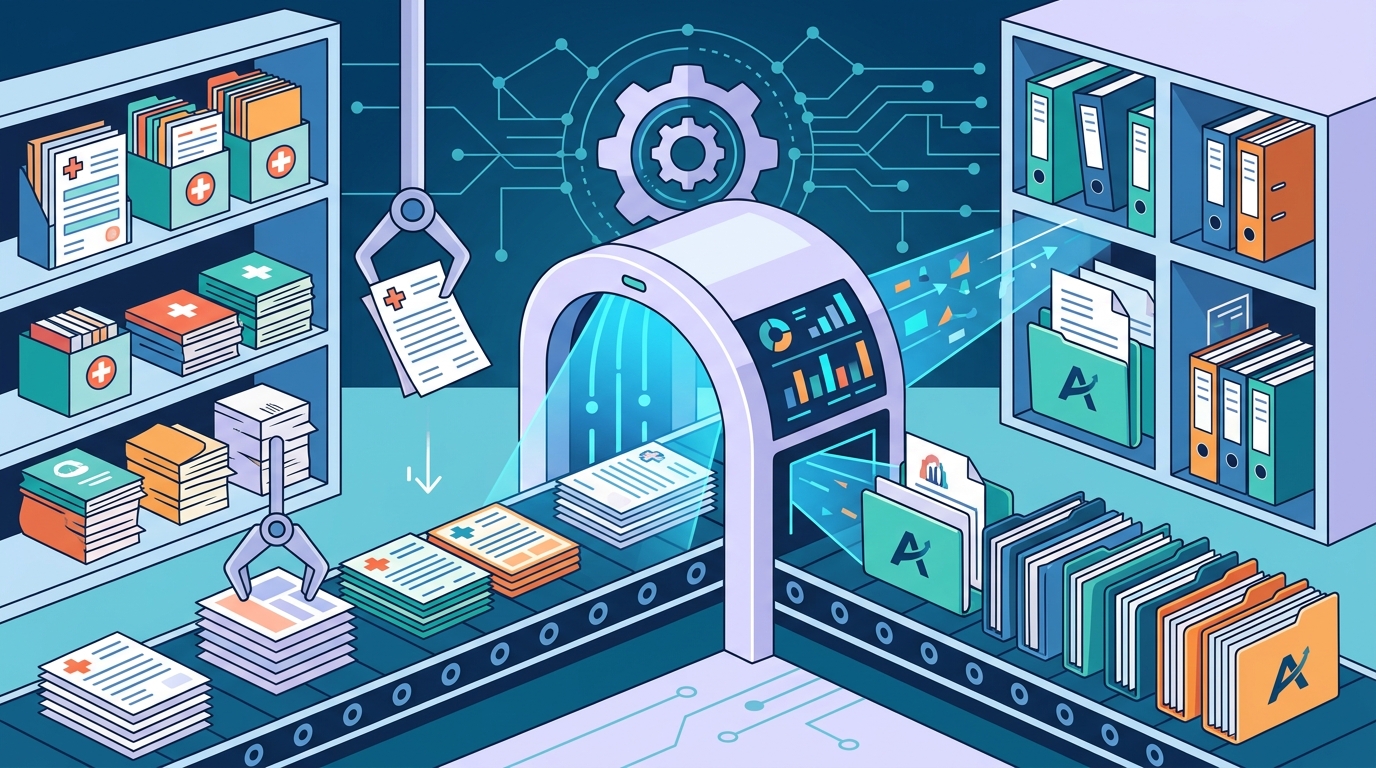
Traditional compliance relies on point-in-time checks, where evidence is gathered only when an audit is scheduled. This method is reactive and often fails to capture the true state of security controls between audits. Automated evidence collection shifts this paradigm to continuous monitoring. The system verifies that security controls remain active and effective 24/7. If a control fails, the platform can trigger an alert, allowing the organization to remediate the issue before it becomes a compliance violation.
Reducing Administrative Overhead
By automating the collection of evidence, organizations can significantly reduce the administrative overhead associated with compliance. IT staff no longer need to spend hours manually verifying firewall configurations or user access rights. This frees up valuable resources to focus on strategic initiatives rather than routine compliance tasks. The result is a more efficient operation where compliance is integrated into the daily workflow rather than treated as a separate, burdensome project.
Workforce Training Automation
Workforce training automation is the use of software to deliver, track, and enforce mandatory security and privacy training for all employees and contractors. HIPAA requires that all members of the workforce receive training on privacy and security policies. Manual tracking of training completion is difficult and often leads to non-compliance when employees forget to complete required modules. AIHEB Technologies streamlines this process by automating the delivery and tracking of training, ensuring that every team member is up to date on the latest security protocols.
Personalized Learning Paths
Not all employees require the same level of training. A billing clerk has different data access needs than a system administrator. AI-driven training platforms can create personalized learning paths based on an employee's role and responsibilities. This ensures that training is relevant and efficient, reducing fatigue and improving retention. The system can also adapt to new regulatory requirements by automatically updating training content and reassigning modules to affected staff members.
Enforcement and Accountability
Automation also enables strict enforcement of training policies. The system can prevent employees from accessing sensitive data until they have completed the required training. This creates a clear link between training and access rights, reinforcing the importance of security awareness. By automating these checks, the organization ensures that no one can bypass training requirements, thereby strengthening the overall security posture.
Risk Assessment Documentation
Risk assessment documentation is the formal record of an organization's analysis of potential threats to the confidentiality, integrity, and availability of electronic protected health information (ePHI). HIPAA mandates that covered entities conduct regular risk assessments and document their findings. Manual risk assessments are often static and quickly become outdated as the organization's infrastructure changes. AIHEB Technologies helps automate the documentation of these assessments by continuously analyzing system configurations and identifying new risks as they emerge.
Dynamic Risk Scoring
Traditional risk assessments rely on subjective scoring by human analysts. AI-powered platforms can use objective data to score risks based on real-time system metrics. This provides a more accurate and defensible risk profile. The platform can prioritize risks based on their potential impact and likelihood, helping the organization focus its remediation efforts on the most critical issues. This data-driven approach ensures that risk management is aligned with the organization's actual security posture.
Streamlining the Documentation Process
Documenting risk assessments is often the most time-consuming part of the process. AIHEB Technologies automates the generation of risk assessment reports by pulling data from various sources and formatting it according to regulatory standards. This reduces the time required to complete an assessment from weeks to days. The resulting documentation is consistent, accurate, and ready for audit, providing a clear trail of the organization's risk management efforts.
Vendor Management
Vendor management is the process of identifying, assessing, and monitoring third-party vendors that have access to an organization's data or systems. HIPAA requires covered entities to ensure that their business associates comply with the same security standards. Manual vendor management is often fragmented and lacks visibility into the security posture of each vendor. AIHEB Technologies provides tools to automate the assessment and monitoring of vendors, ensuring that all third parties meet the organization's compliance requirements.
Automated Vendor Assessments
Conducting security assessments for every vendor is resource-intensive. AI-driven platforms can automate this process by using standardized questionnaires and continuous monitoring. The system can evaluate a vendor's security controls based on publicly available data and self-reported information. This provides a quick and efficient way to assess vendor risk. The platform can also track changes in a vendor's security posture over time, alerting the organization to any significant declines.
Contract and Compliance Tracking
Managing Business Associate Agreements (BAAs) is a critical part of vendor management. AIHEB Technologies helps automate the tracking of BAA expiration dates and compliance requirements. The system can send reminders to renew agreements and ensure that vendors remain compliant. This reduces the risk of non-compliance due to expired or missing agreements. By centralizing vendor management, the organization gains a clear view of its third-party risk landscape.
Audit Log Integration
Audit log integration is the process of connecting various system logs to a central compliance platform for analysis and reporting. HIPAA requires covered entities to maintain audit logs that record access to ePHI. Manual review of these logs is impractical due to the sheer volume of data. AIHEB Technologies integrates audit logs from EHR systems, firewalls, and other critical infrastructure into a single platform. This allows for centralized analysis and automated detection of suspicious activities.
Real-Time Anomaly Detection
AI algorithms can analyze audit logs in real time to detect anomalies that may indicate a security breach or insider threat. For example, the system can flag unusual access patterns, such as a user accessing a large number of patient records outside of their normal working hours. This proactive detection allows the organization to respond to potential threats before they cause significant harm. The platform can also generate automated reports on audit log activity, providing a clear overview of system usage and compliance.
Streamlining Audit Preparation
Preparing for an audit often involves sifting through thousands of log entries to find relevant evidence. AIHEB Technologies streamlines this process by automatically filtering and categorizing audit logs based on compliance requirements. The system can generate reports that highlight key events and trends, making it easier for auditors to verify compliance. This reduces the time and effort required for audit preparation, allowing the organization to focus on other priorities.
Comparison of Manual vs. Automated Compliance
| Evidence Collection | Manual screenshots and documentation | Continuous automated capture |
| Risk Assessment | Periodic, subjective scoring | Continuous, data-driven scoring |
| Vendor Management | Fragmented, manual tracking | Centralized, automated monitoring |
| Audit Logs | Manual review, high volume | Real-time anomaly detection |
| Training | Manual tracking, low enforcement | Automated delivery, strict enforcement |
Key Takeaways
- AI-powered GRC platforms transform static compliance documents into dynamic, real-time monitoring systems.
- Automated evidence collection reduces administrative overhead and ensures continuous compliance.
- Workforce training automation enforces security awareness and links training to access rights.
- Dynamic risk scoring provides a more accurate and defensible risk profile than manual assessments.
- Automated vendor management ensures that third parties meet the organization's security standards.
- Real-time audit log integration enables proactive detection of security threats.
- AIHEB Technologies simplifies operations by integrating compliance into daily workflows.
- Automation allows small and mid-sized organizations to maintain HIPAA compliance without a dedicated officer.
Frequently Asked Questions
Can AI fully replace a compliance officer?
AI can automate many routine compliance tasks, but it cannot replace the strategic judgment of a human. However, it can significantly reduce the need for a full-time dedicated officer by handling the administrative burden.
How does AIHEB Technologies integrate with existing EHR systems?
Is automated evidence collection secure?
How often should risk assessments be conducted?
While HIPAA requires regular assessments, AI-powered platforms enable continuous risk monitoring, providing a real-time view of the organization's risk posture.
Can the platform track vendor compliance?
How does the platform handle audit log analysis?
AI algorithms analyze audit logs in real time to detect anomalies and generate automated reports for audit preparation.
Conclusion
Automating HIPAA compliance documentation is no longer a luxury but a necessity for healthcare organizations seeking to streamline operations and improve compliance. By leveraging AI-powered GRC platforms, organizations can reduce the administrative burden of compliance and focus on delivering high-quality care. AIHEB Technologies provides the tools and expertise needed to implement these solutions effectively. Explore how AIHEB Technologies can help your organization achieve compliance efficiency and operational excellence. Learn more: 4000ai org.